global procurement & contracts
Asia
Asia turns manufacturing scale into sourcing optionality.
Across the region, specialized industrial clusters combine manufacturing depth, engineering capability and mature supply chains at a scale few markets can match. The result is a broad spectrum of supply options across technical specifications, production capacity, lead times and cost structures.
Regional strengths
Industrial components
Asia offers strong relevance across mechanical parts, electrical components, metalwork, plastics, fasteners, tools, spare parts and industrial consumables. Manufacturing scale, production repeatability and extensive category coverage make the region a major supply base for both project requirements and ongoing industrial operations.
Mechanical and electrical equipment
Asia performs strongly where requirements involve integrated production processes, component manufacturing, fabrication, assembly, tooling, testing and export preparation. Dense industrial ecosystems support complex assemblies, semi-finished components and multi-stage manufacturing across multiple production disciplines.
Assemblies and multi-stage manufacturing
Asia performs strongly where products require integrated production chains, component assembly, tooling, packaging, testing and export preparation. Dense supplier ecosystems make the region particularly relevant for fabricated items, semi-finished goods, private-label production and multi-step manufacturing.
Industrial ecosystem depth
Major industrial centres across China, India, Southeast Asia, Japan, South Korea and Taiwan provide access to extensive manufacturing networks and specialized technical capability. Their concentration enables procurement strategies to compare and combine capabilities across multiple production markets.
Market landscape
East Asia
East Asia combines exceptional supplier density with advanced manufacturing capability across automation, electrical systems, machinery, precision components, electronics, batteries, automotive systems and engineered industrial equipment.
China provides unmatched manufacturing breadth and production scale, while Japan, South Korea and Taiwan strengthen the region in precision engineering, advanced technologies and technically demanding supply. Dense industrial clusters allow procurement strategies to reach beyond individual suppliers into complete manufacturing ecosystems.
South Asia
South Asia, led by India’s extensive industrial base, offers strong capability across engineered components, fabrication, electrical equipment, chemicals, automotive supply and industrial manufacturing.
The region combines engineering capability, competitive production economics and a growing base of export-oriented manufacturers. It is particularly relevant where procurement strategies require supply diversification, technically credible alternatives and additional manufacturing capacity.
Southeast Asia
Southeast Asia provides an increasingly important manufacturing platform across electronics, electrical equipment, automotive components, fabricated products, industrial equipment and export-oriented assembly.
Vietnam, Thailand, Malaysia, Indonesia and Singapore contribute different combinations of manufacturing capability, regional distribution, logistics connectivity and commercial infrastructure. The region is particularly relevant to strategies seeking greater supply diversification and reduced concentration within a single manufacturing market.
Central Asia
Central Asia combines significant natural resources, primary industrial inputs and expanding infrastructure with strategic trade corridors linking East Asia, Europe and the Middle East.
Its supply base is particularly relevant across metals, minerals, chemicals, construction materials and energy-related requirements, supported by the region’s growing role in regional logistics and cross-border trade.
Key risk factors


Our focus in Asia
Manufacturer identification
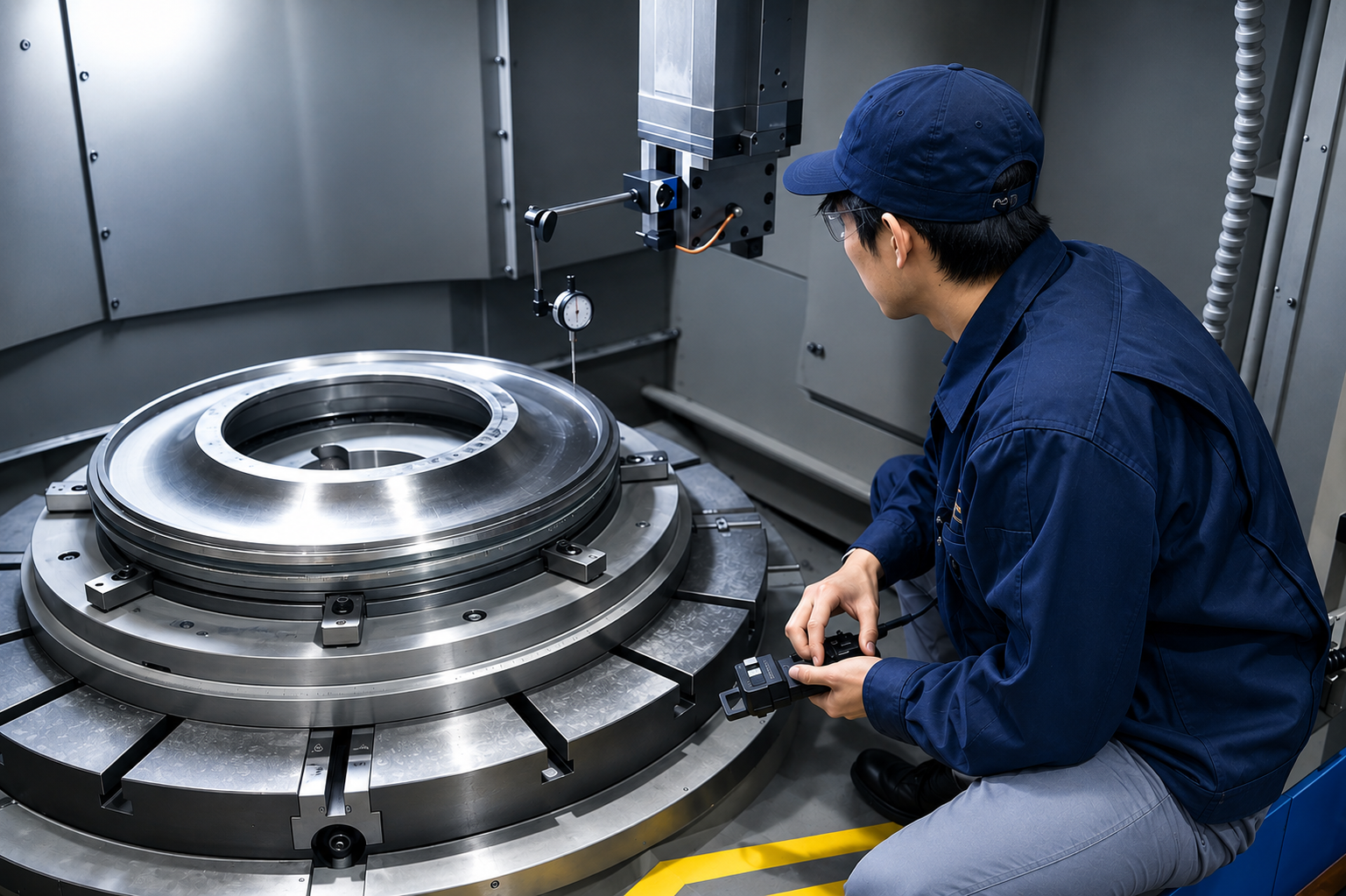
We distinguish manufacturers, authorized distributors, trading companies and intermediaries to establish where production capability, technical responsibility and commercial control actually sit.
Capability validation
Production capability, equipment, capacity, quality systems, export experience, references and subcontracting structures are assessed against the requirement before supplier selection.
Technical & quality alignment
Specifications, drawings, materials, standards, inspection requirements and acceptance criteria are aligned with manufacturing capability before production begins.
Commercial structuring
Specifications, drawings, materials, standards, inspection requirements and acceptance criteria are aligned with manufacturing capability before production begins.
Production & delivery control
Critical milestones are followed from order confirmation through production, inspection, documentation, shipment readiness and logistics handover.

